EV manufacturer
Cadillac EV diagnostics
Explore Cadillac diagnostic codes for CELESTIQ, LYRIQ and other verified model families. Review source-backed evidence and supported model applicability.
4 model families with verified coverage143 verified
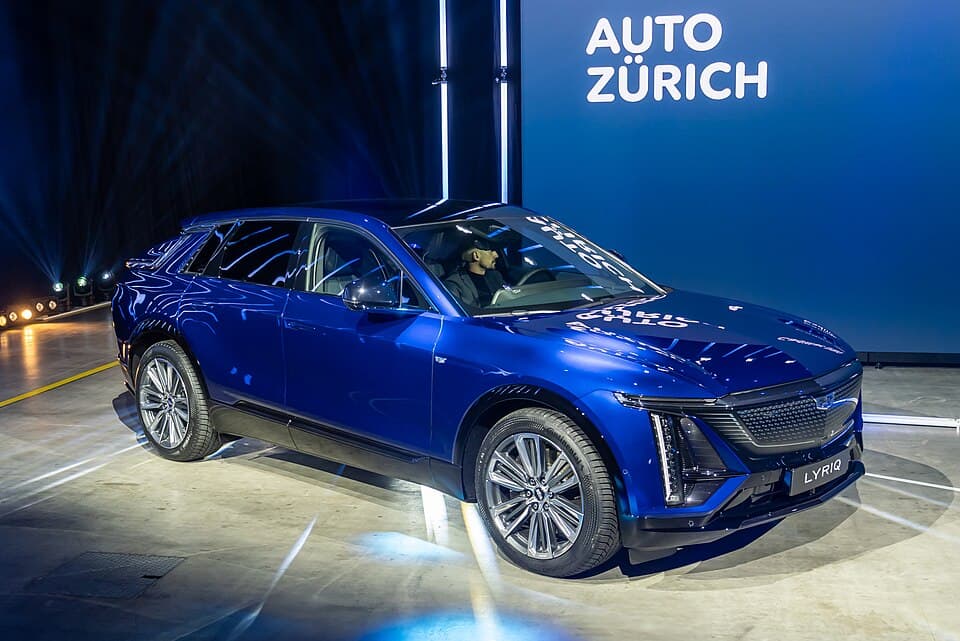 Cadillac LYRIQ
Models with verified diagnostic coverage
Verified Manufacturer-level verified records
These records passed the verified evidence gate. Model applicability is shown only where separately supported.
U164EVerified diagnostic recordB1596For applicable U.S. Cadillac vehicles, B1596.86 is identified in official Cadillac radio-service communications as a DTC that may set because of a software anomaly. Those communications instruct technicians to ignore the listed DTC and not replace the radio solely for it.U1615Verified diagnostic recordU164FU164F is listed in Cadillac bulletin PIT6457B for certain 2023–2026 U.S. CELESTIQ, LYRIQ, OPTIQ, and VISTIQ vehicles. The supplied verified evidence does not establish the code’s definition, cause, symptoms, driving safety, charging safety, or repair procedure.U164BFor applicable Cadillac EVs, U164B is addressed in GM/Cadillac radio-related service communications as a DTC that can set because of a software anomaly. The cited guidance says to ignore U164B in that context and not replace the radio for this DTC.U1616U1616 is verified as “Lost Communication with Image Processing Module 1 - Processor 1 on CAN Bus 8” in a Cadillac manufacturer communication. For certain non-Super Cruise vehicles, GM documentation says the referenced component wording should instead be “B174W Front View Camera - Windshield.”B1A1BFor applicable Cadillac EVs, B1A1B is identified in official GM/NHTSA manufacturer communications as a radio-related DTC. When B1A1B.00 is set and the vehicle is eligible for software referenced in 25-NA-085 or 25-NA-183, the communication says to update the radio; it should correct the issue.U0265For certain U.S. Cadillac EVs, U0265 is listed in Cadillac radio-related service communications as a DTC that can set because of a software anomaly. The cited instructions say to ignore U0265 in that circumstance and not replace the radio solely for this code.U0142For applicable U.S. Cadillac EVs, U0142 is listed in Cadillac radio-related service communications as a DTC that may set because of a software anomaly. The cited bulletins instruct technicians to ignore U0142 in that context and not replace the radio solely for this DTC.U11FDU11FD is listed in Cadillac bulletin PIT6457B, but the supplied verified evidence does not define the code’s fault meaning, symptoms, or repair. The bulletin applies to certain 2023–2026 US Cadillac CELESTIQ, LYRIQ, OPTIQ, and VISTIQ vehicles.B1A1FVerified diagnostic recordU118BCadillac U118B: Correction To correct this concern, you must reset the GaU2107Verified diagnostic recordU2100Verified diagnostic recordU2109Verified diagnostic recordU1862Verified diagnostic recordB1325Verified diagnostic recordC0000Verified diagnostic recordP0D3FVerified diagnostic recordP1EE6Verified diagnostic recordP0D3EVerified diagnostic recordP0AFAVerified diagnostic recordP0300Verified diagnostic recordP0303Verified diagnostic recordP0D59Verified diagnostic recordP0D26Verified diagnostic recordP0D22Verified diagnostic recordP0D58Verified diagnostic recordB101DVerified diagnostic recordP0BBEFor a 2014–2016 Cadillac ELR in the US, DTC P0BBE is identified in GM bulletin 19NA117 as Hybrid Battery Pack Voltage Variation. The bulletin links it to possible degradation of one or more high-voltage battery cell groups, which can have lower voltage than the rest of the pack.P07A7For applicable 2017–2018 Cadillac CT6 vehicles, DTC P07A7 is documented in GM bulletin 19NA128 as “Transmission Clutch 3 Stuck On.” The bulletin describes a possible internal transmission/hybrid drive cause involving a 1-3 clutch return spring ring out of its groove.P16DCFor verified 2017–2018 Cadillac CT6 vehicles in the US, DTC P16DC is identified as Battery Sensor Monitor Timer Performance. GM bulletin 15-NA-087 states that P16DC disables the Stop/Start system.U01B0For 2017–2018 Cadillac CT6 vehicles in the US, U01B0 is listed in GM/Cadillac service bulletin 15-NA-087 as “Lost Communication with Battery Monitor Module.” The supplied evidence does not establish whether the vehicle is safe to drive or charge, or identify a confirmed repair.U0284Verified diagnostic recordP15FFFor a 2017–2018 Cadillac CT6 (US), DTC P15FF is identified as “Battery Monitor Sensor Signal Message Counter Incorrect.” An official GM/NHTSA service bulletin associates it with an inoperative Stop/Start system, a “Stop/Start System Disabled” driver-information message, and/or an illuminated MIL.U0285For 2017–2018 Cadillac CT6 vehicles in the US, DTC U0285 is identified in a Cadillac/NHTSA manufacturer communication as “Lost Communication with Active Grille Air Shutter 2 Motor Module.”C0040C0040 is documented here as a Customer Concern Not Duplicated (CCND) entry for a reported steering noise/whine during low-speed parking-lot turns in cold temperatures. The supplied evidence does not establish a component fault, driving risk, charging impact, or required repair.C0035Verified diagnostic recordP0D40P0D40 is recorded here as a Customer Concern Not Duplicated (CCND) entry for a reported no-crank/no-start concern. The supplied evidence does not establish a confirmed fault, driving status, charging status, or a specific repair for this condition.P0D4FP0D4F is recorded here as a Cadillac Customer Concern Not Duplicated (CCND) entry. The verified information describes a reported no-crank/no-start concern where the related SI verification found no DTCs and could not duplicate the concern.Service High VoltageVerified diagnostic recordAutomatic Collision Prep ReducedVerified diagnostic recordLCDD Data Provisioning failedFor a 2023 Cadillac LYRIQ in the US, “LCDD Data Provisioning failed” is documented in NHTSA Manufacturer Communication 11014280 (GM bulletin 24-NA-155) after an attempted provisioning process. The verified evidence does not establish driving or charging status, cause, or a specific repair.Super Cruise UnavailableVerified diagnostic recordForward Collision System Reduced“Forward Collision System Reduced” is a Cadillac alert indicating that the forward collision system is reduced. Verified manufacturer communications document that the message may appear at vehicle startup and may be accompanied by an amber Automatic Emergency Braking Disable icon.U1962Verified diagnostic recordU2BFFFor a 2023 Cadillac LYRIQ (US), DTC U2BFF means “loss of isolation.” A Cadillac Service Update, N222390690, directs technicians to inspect for a high-voltage harness contacting a metal edge when this code is present.U3006Verified diagnostic recordU0411Verified diagnostic recordU053BFor applicable Cadillac LYRIQ vehicles, U053B is referenced in GM/NHTSA communications concerning diagnostic handling. Verified evidence says not to replace the controller solely because U053B is present in the listed condition; wait for an engineering resolution and follow the applicable bulletin guidance.U1624Verified diagnostic recordU3000For Cadillac EVs covered by the supplied evidence, U3000 is not established as a single vehicle-wide fault definition. Official communications show that certain U3000 variants can occur in front-camera, network, telematics, or other controller diagnostic contexts.U1617For a 2023 Cadillac LYRIQ in the US, U1617 symptom 00 is listed in GM/NHTSA manufacturer communication PIC6500A. The communication instructs dealers to verify the customer concern and not replace the controller when this DTC is present; engineering resolution was pending at publication.U0140For a 2023 Cadillac LYRIQ in the US, U0140 symptom 00 is listed in Cadillac preliminary information PIC6500A. Dealers are instructed to verify the customer concern and wait for an engineering resolution; if this code is present in the bulletin’s listed group, they are instructed not to replace the controller.U0131Verified diagnostic recordU2231Verified diagnostic recordU2224For a 2023–2024 Cadillac LYRIQ in the US applicability records, U2224 is included in Cadillac/GM service communications concerning high-voltage battery-related diagnostic procedures. The supplied evidence does not establish a plain-language definition for U2224, driveability status, charging status, or severity.U2237Verified diagnostic recordU222EFor 2023–2024 Cadillac LYRIQ vehicles in the United States, U222E is included in Cadillac/GM service communications PIT6044 and 23-NA-151. The supplied evidence does not establish a plain-language definition for U222E, drivability status, or charging status.U2225For a 2023–2024 Cadillac LYRIQ in the US, U2225 is included in GM bulletins concerning Battery Energy Control Module (K16 BECM) diagnostic procedures. The supplied verified evidence does not establish a plain-language definition for U2225 itself.U2226Verified diagnostic recordU222CVerified diagnostic recordU222FFor Cadillac LYRIQ vehicles covered by the supplied evidence, U222F appears in GM/NHTSA service communications as one of several DTCs addressed by specific dealer diagnostic procedures. The supplied data does not establish a plain-language definition for U222F.U2232Verified diagnostic recordU2228Verified diagnostic recordU2221Verified diagnostic recordU2230U2230 is listed in official Cadillac service communications for 2023–2024 LYRIQ diagnostic procedures. Verified evidence does not establish a consumer-facing fault definition for this code.U2229Verified diagnostic recordU222BVerified diagnostic recordU2222For the 2023–2024 Cadillac LYRIQ, U2222 is included in GM service communications addressing no-start concerns or loss of propulsion. The supplied diagnostic title/meaning is a warranty-labor-operation phrase rather than a technical definition of the code.U222DU222D is listed in official GM service communications for the 2023–2024 Cadillac LYRIQ. The supplied database does not establish a plain-language definition for U222D, driving or charging safety, or a specific owner-observable symptom.U2234Verified diagnostic recordU2220For the Cadillac LYRIQ, U2220 is included in official GM service communications covering no-start concerns or loss of propulsion. The supplied diagnostic title/meaning is truncated and does not establish a technical definition for U2220.U222AVerified diagnostic recordU2236Verified diagnostic recordU2233Verified diagnostic recordU2223Verified diagnostic recordU2235U2235 is listed in official Cadillac service communications for the 2023–2024 Cadillac LYRIQ. The supplied evidence does not establish a plain-language fault definition for U2235, driving or charging safety, or a specific repair.U2227For the 2023–2024 Cadillac LYRIQ in the United States, U2227 is listed in official GM/Cadillac service communications among diagnostic trouble codes addressed by specific Battery Energy Control Module (BECM) diagnostic procedures. Its actual code definition is not established by the supplied verified evidence.P1E00For certain U.S. 2023–2024 Cadillac LYRIQ vehicles, DTC P1E00 is documented in GM information-gathering communications with a malfunction indicator lamp, A/C not blowing cold air, or intermittent A/C operation. GM stated it was still determining the root cause.P0534Verified diagnostic recordU1666U1666 is included in Cadillac bulletin 23-NA-151 diagnostic criteria for certain U.S. Cadillac LYRIQ and VISTIQ vehicles. The supplied evidence does not establish a standalone plain-language definition for U1666.U2427For certain U.S. Cadillac LYRIQ and VISTIQ vehicles, U2427 is included in Cadillac bulletin 23-NA-151 diagnostic coverage. The supplied verified evidence does not establish a standalone plain-language definition, driving advice, charging advice, or a specific repair for U2427.U2BFCFor Cadillac LYRIQ and VISTIQ applications listed below, U2BFC is included in GM bulletin 23-NA-151. The supplied evidence does not establish a plain-language DTC definition, drivability status, charging status, or a specific repair for U2BFC alone.U359EU359E is listed in GM bulletin 23-NA-151 for certain Cadillac EVs. The supplied verified evidence does not establish a complete diagnostic definition for this code, despite the truncated database title/meaning.U2426U2426 is included in Cadillac bulletin 23-NA-151 diagnostic criteria for specified Cadillac EVs. The supplied record’s title/meaning is truncated procedural text and does not establish a standalone code definition.U1667U1667 is listed in Cadillac/GM Bulletin 23-NA-151 for specified U.S. Cadillac LYRIQ and VISTIQ vehicles. The supplied verified evidence does not establish a standalone code definition, severity, drivability, or charging status.P0AA6P0AA6 is documented in Cadillac bulletin 23-NA-151 for certain US Cadillac LYRIQ and VISTIQ vehicles. The supplied diagnostic title and meaning are truncated and do not establish a reliable plain-language definition for this code. Cadillac/GM directs this bulletin only to trained, certified repair facilities.P3029Verified diagnostic recordP1C34P1C34 is listed in Cadillac/GM bulletin 23-NA-151 for certain US Cadillac LYRIQ and VISTIQ vehicles. The supplied evidence does not establish a plain-language DTC definition, drivability status, charging status, or a specific repair.U35B5Verified diagnostic recordP0AA7P0AA7 is documented in Cadillac bulletin 23-NA-151 for certain 2023–2024 Cadillac LYRIQ vehicles in the United States. The bulletin directs certified facilities to verify the code and inspect/document the high-voltage battery surge-tank coolant level.U1639For a 2023 Cadillac LYRIQ in the US, DTC U1639 is documented in an official GM/NHTSA communication as potentially occurring with no communication to the Brake System Control Module. GM’s listed correction is: “Contact General Mo.”U1610Verified diagnostic recordU2BF3Verified diagnostic recordU2BF6Verified diagnostic recordU0101Verified diagnostic recordU0100Verified diagnostic recordU186BU186B is listed in two official Cadillac/GM manufacturer communications as one of several communication DTCs that may appear with a SES/MIL/CEL warning. The supplied evidence does not establish a code-specific definition, root cause, safety status, or repair for U186B alone.U3635For a 2023–2024 Cadillac LYRIQ in the US, U3635 is not established by the supplied verified evidence as a current applicable code for PIE0788C. The bulletin revision dated June 10, 2024 removed U3635 from its listed DTCs.U2B82For a 2023–2024 Cadillac LYRIQ in the US, U2B82 was listed in GM field-information communication PIE0788B and was removed from the communication in revision PIE0788C. The supplied evidence does not define the fault meaning or establish driving, charging, or repair guidance.U3639For a 2023–2024 Cadillac LYRIQ in the US, verified NHTSA manufacturer-communication evidence shows that DTC U3639 was removed from the keyword list for PIE0788 revisions dated June 10, 2024. The supplied evidence does not establish what U3639 means, its symptoms, drivability, charging status, cause, or repair.U2B7AFor 2023–2024 Cadillac LYRIQ vehicles in the US, DTC U2B7A is listed in GM/NHTSA manufacturer communication PIE0788 revisions. The supplied evidence does not establish the fault meaning, affected system, symptoms, driving or charging safety, cause, or repair for this code.U3631Verified diagnostic recordU3637For 2023–2024 Cadillac LYRIQ vehicles in the US, U3637 appears in an official GM communication history for PIE0788, but the June 10, 2024 revision removed U3637 from the listed DTCs. The supplied evidence does not establish the code’s definition, vehicle symptoms, driving or charging status, cause, or repair.U363FFor a 2023–2024 Cadillac LYRIQ in the US, U363F is not identified as an active applicable code by the supplied official bulletin evidence. PIE0788 revisions specifically removed U363F from its DTC list. No fault meaning, driving guidance, charging guidance, or repair is established by the supplied evidence.U362FVerified diagnostic recordU363BVerified diagnostic recordU363DFor Cadillac LYRIQ model years 2023–2024 in the US, U363D is identified in the supplied record only as part of a listed DTC group. Its diagnostic meaning, vehicle effects, and repair are not yet established by verified evidence.U2B86For a 2023–2024 Cadillac LYRIQ in the US, DTC U2B86 is documented in Cadillac/GM preliminary information bulletin PIE0788C. The supplied verified evidence does not establish the code’s fault definition, symptoms, driving safety, charging safety, cause, or repair.U3633For U3633 on a 2023–2024 Cadillac LYRIQ (US), the supplied evidence does not establish a fault meaning, symptoms, driving or charging status, or repair. Cadillac communication PIE0788B removed U3633 from its listed DTCs on June 10, 2024.U2B7EFor 2023–2024 Cadillac LYRIQ vehicles in the US, U2B7E appears in official GM/NHTSA manufacturer communications PIE0788B and PIE0788C. The verified material identifies it in a list of DTCs removed from the communication; it does not establish a fault meaning, symptoms, cause, driving or charging safety, or a repair.P0C78P0C78 is referenced in Cadillac bulletin 23-NA-151 for certain US Cadillac LYRIQ and VISTIQ vehicles. The supplied verified evidence does not establish a component-level definition, symptoms, driving or charging status, or a specific repair for P0C78.P0AE3For Cadillac LYRIQ and VISTIQ vehicles within the listed U.S. model-year applicability, P0AE3 is included in GM bulletin 23-NA-151. The supplied evidence does not establish a technical fault definition, symptoms, driving safety, charging safety, or a specific repair for this code.B19C8For a 2024 Cadillac LYRIQ in the US, DTC B19C8 is documented in Cadillac bulletin PIE0797C in connection with doors opening on their own. The supplied evidence does not establish the exact fault definition, driving safety, charging safety, or a repair procedure.B19C9Verified diagnostic recordU023CFor a 2023 Cadillac LYRIQ in the US, DTC U023C is listed in Cadillac bulletin PIC6500B. The bulletin directs technicians to refer to normal Service Information (SI) diagnostics if U023C symptom 00 sets.U023BU023B is a Cadillac diagnostic trouble code documented for certain U.S. Cadillac LYRIQ vehicles. Verified evidence identifies it in GM service communications as U023B symptom 00; the supplied database does not establish a consumer-facing fault description beyond the diagnostic record’s meaning, “Created.”B19DAVerified diagnostic recordB1C64Verified diagnostic recordB1D73Verified diagnostic recordU053CVerified diagnostic recordU2A90For certain 2023–2025 Cadillac LYRIQ vehicles in the US, DTC U2A90 is referenced in Cadillac bulletin PIT5851F as a possible current code associated with a display showing zero miles or incorrect mileage. The supplied evidence does not establish a complete code definition, diagnostic procedure, or repair.U1978Verified diagnostic recordU197EFor certain 2023–2025 Cadillac LYRIQ vehicles in the U.S., DTC U197E may be associated with an odometer displaying zero miles or incorrect mileage. GM bulletin PIT5851F states that the listed DTCs, including U197E, may not be set in every case.U2A91Verified diagnostic recordU1973For 2023–2025 Cadillac LYRIQ vehicles in the US, U1973 is listed in GM/Cadillac bulletin PIT5851F as a possible current DTC associated with an odometer displaying zero or incorrect mileage. The supplied evidence does not establish a complete code definition, driving/charging status, or repair procedure.U197FVerified diagnostic recordB1C48For a 2025 Cadillac LYRIQ in the US, DTC B1C48 is covered by Cadillac communication PIT6274C. It may occur with an intermittent “Service Camera System” message and is identified as a false DTC and/or message caused by a software anomaly. Do not replace parts at this time; engineering is addressing the concern.B020AFor applicable 2025 Cadillac LYRIQ vehicles in the US, B020A is covered by Cadillac bulletin PIT6274C. The bulletin identifies B020A as a possible false DTC caused by a software anomaly and says not to replace parts at this time.U1516For applicable U.S. Cadillac LYRIQ, OPTIQ, and VISTIQ vehicles, U1516 is referenced in GM manufacturer communication PIT6393. When U1516 is set with the listed related DTCs and the vehicle is eligible for software in 25-NA-085 or 25-NA-183, the communication states that updating the radio should correct the issue.U3003Verified diagnostic recordU1126Verified diagnostic recordP0562For the listed Cadillac EVs, verified GM/NHTSA service communications identify P0562 as a low-voltage/12 V power DTC to check during diagnosis. If it is active or recurring, the guidance says not to replace the front camera and to correct the 12 V power issue first.U1127Verified diagnostic recordU0235Verified diagnostic recordU1611Verified diagnostic recordU1643For applicable Cadillac EVs, U1643 is listed in GM bulletin PIT6503 revisions as a possible loss-of-communication DTC on CAN Bus 2. If multiple ECUs have communication loss across the bus, the bulletin says not to replace the B174W Front View Camera module; diagnose the CAN bus concern instead.U223CVerified diagnostic recordU223BVerified diagnostic recordU197AFor applicable 2024–2025 Cadillac LYRIQ vehicles in the US, U197A is identified in GM/NHTSA manufacturer communications as “Ethernet Time Synchronization Signal Invalid,” set by B174W. The supplied evidence does not establish drivability, charging impact, severity, or a specific repair.B1A05For a 2024–2025 Cadillac LYRIQ in the US, active DTC B1A05 reported by the B174W Front View Camera module is addressed by following GM Service Information (SI) 6656059. The supplied evidence does not establish the underlying fault, repair outcome, driving safety, or charging safety.B1AAEFor a 2024 Cadillac LYRIQ in the US, DTC B1AAE.13 is identified as “Passive Entry Closure 2 Antenna Circuit High - Circuit Open.” Verified manufacturer bulletin 24-NA-278 addresses this code as a BCM software-update-needed concern.