Understand EV diagnostic codes,
warnings and what to do next
Search DTCs, OEM service codes and driver-facing warning messages across modern electric and plug-in hybrid vehicles. Results connect each code to vehicle applicability, source evidence, practical context and supporting video guides when a sufficiently relevant video is available.
Popular EV manufacturers
Choose a manufacturer to browse the EV model families and diagnostic evidence currently available in the database.
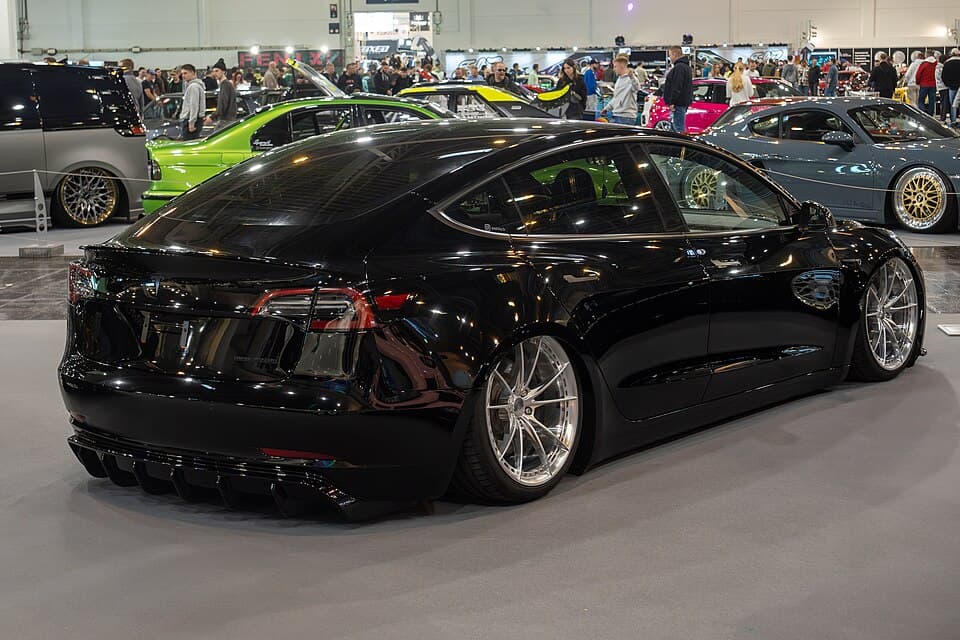 Tesla Model 3
Tesla
5 EV model families currently cataloged, with diagnostic coverage growing as new OEM and regulator evidence is verified.
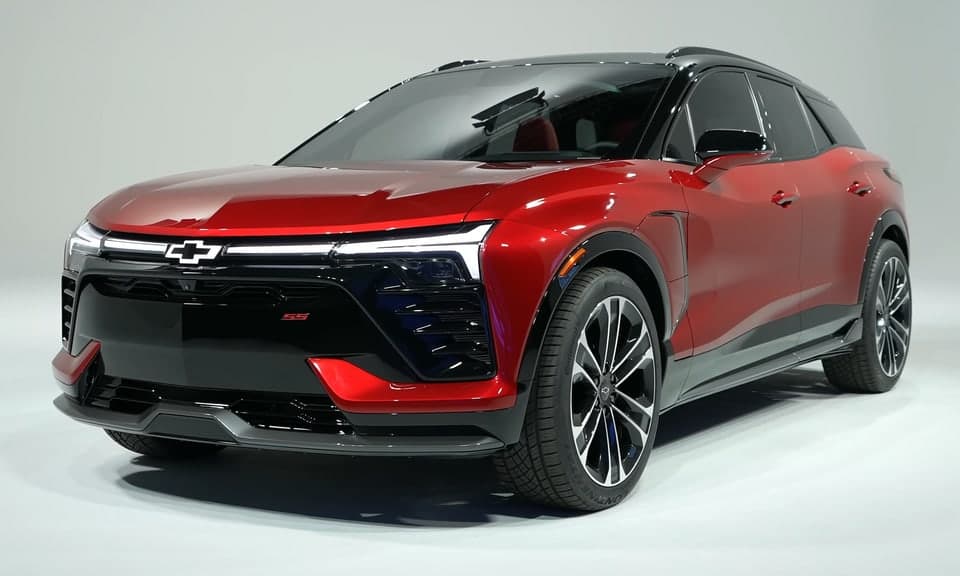 Chevrolet Blazer EV
Chevrolet
6 EV model families currently cataloged, with diagnostic coverage growing as new OEM and regulator evidence is verified.
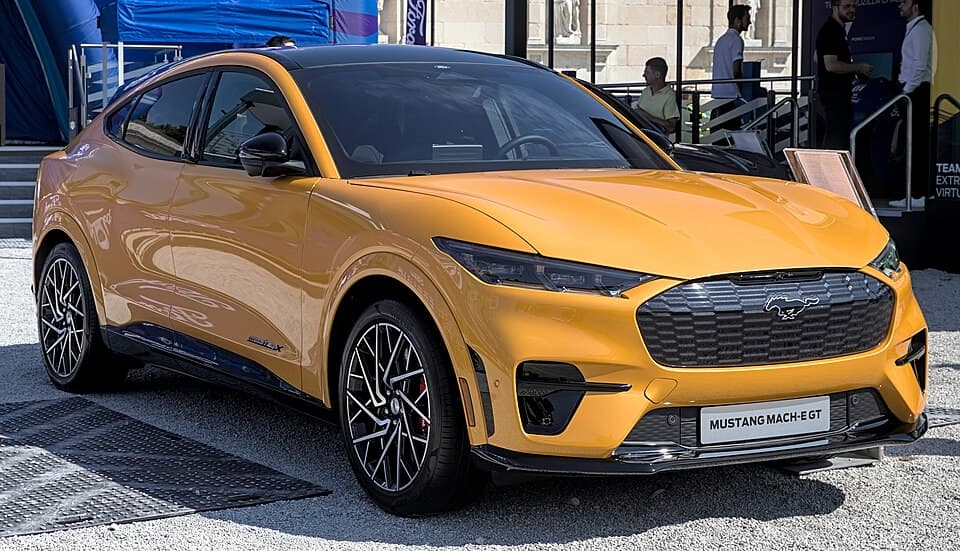 Ford Mustang Mach-E
Ford
3 EV model families currently cataloged, with diagnostic coverage growing as new OEM and regulator evidence is verified.
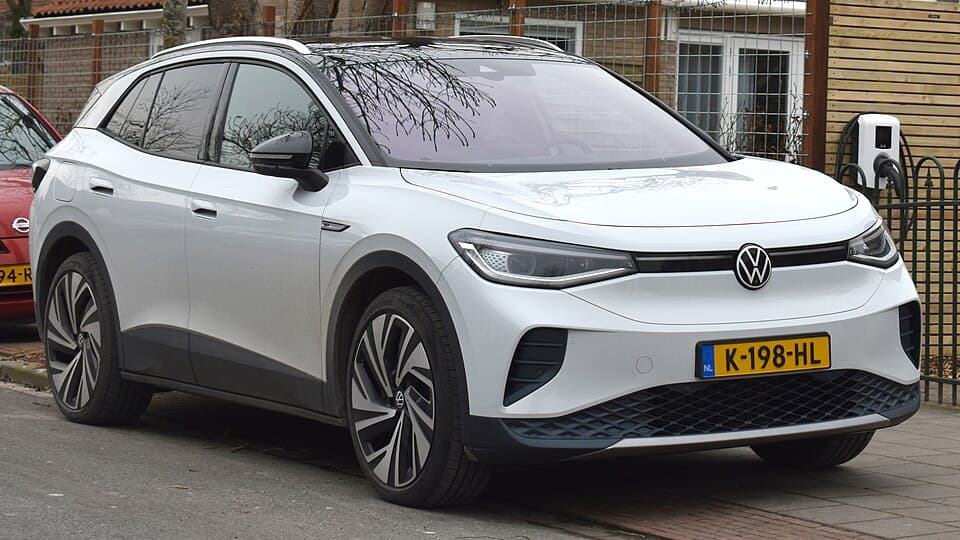 Volkswagen ID.4
Volkswagen
15 EV model families currently cataloged, with diagnostic coverage growing as new OEM and regulator evidence is verified.
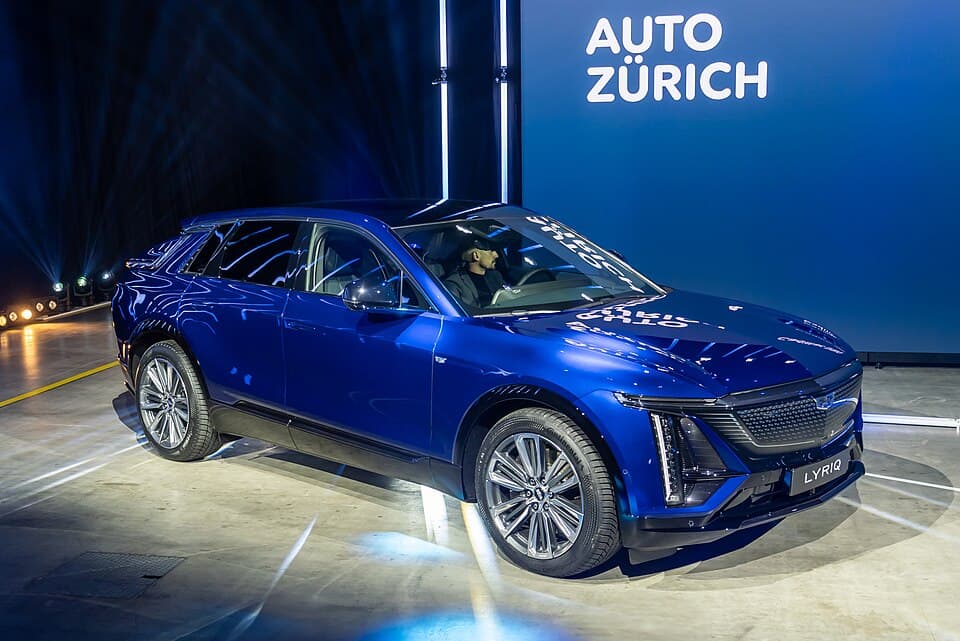 Cadillac LYRIQ
Cadillac
4 EV model families currently cataloged, with diagnostic coverage growing as new OEM and regulator evidence is verified.
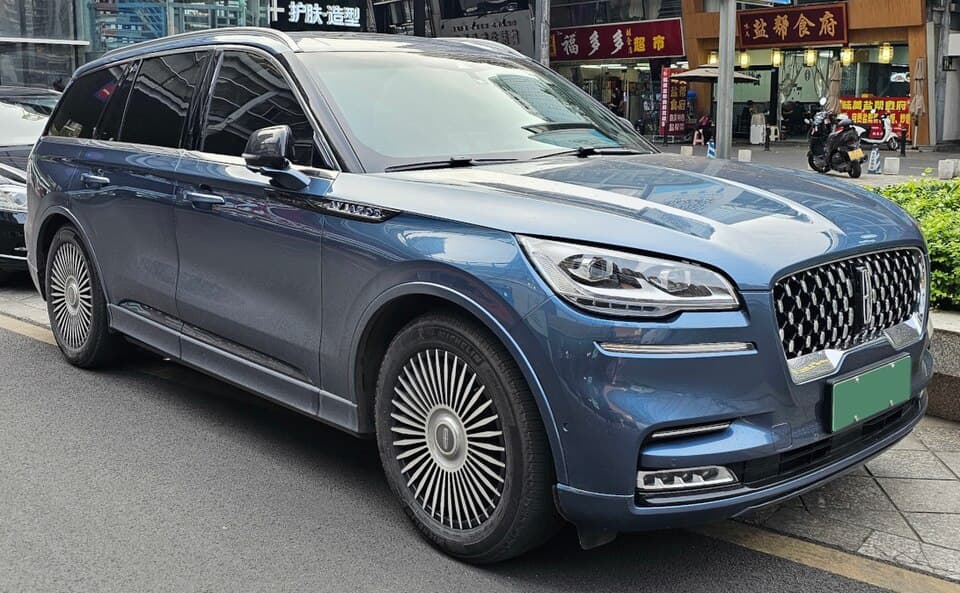 Lincoln Aviator PHEV
Lincoln
2 EV model families currently cataloged, with diagnostic coverage growing as new OEM and regulator evidence is verified.
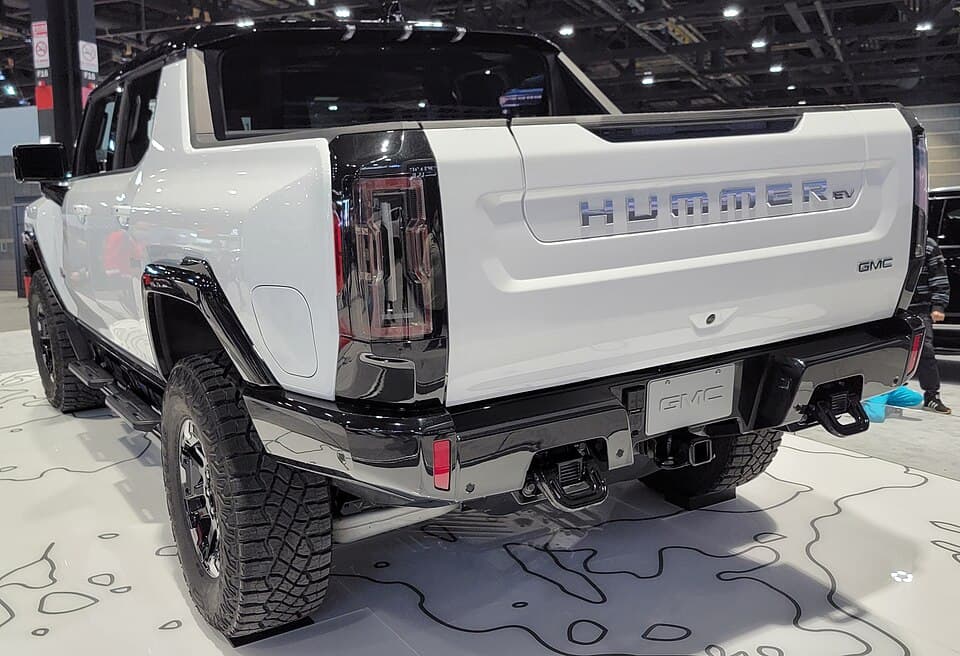 GMC HUMMER EV
GMC
2 EV model families currently cataloged, with diagnostic coverage growing as new OEM and regulator evidence is verified.
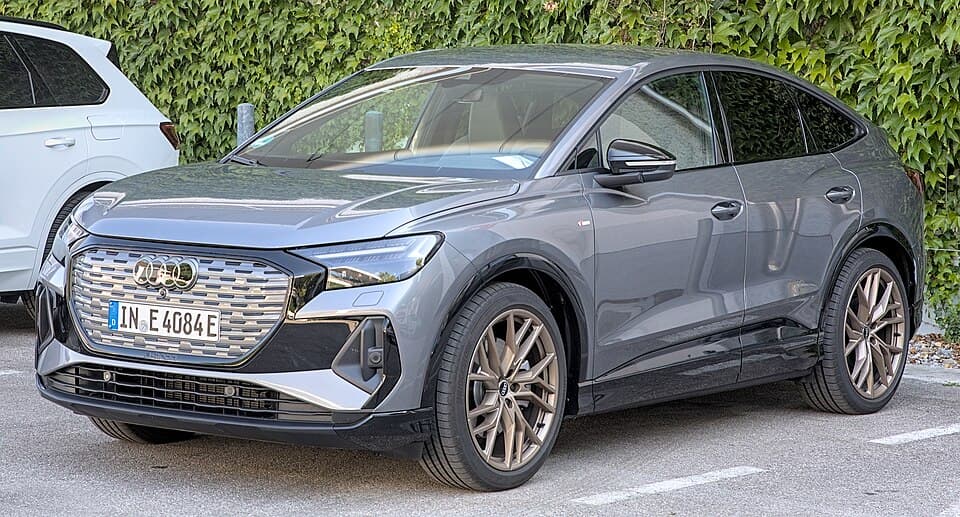 Audi Q4 e-tron
Audi
18 EV model families currently cataloged, with diagnostic coverage growing as new OEM and regulator evidence is verified.
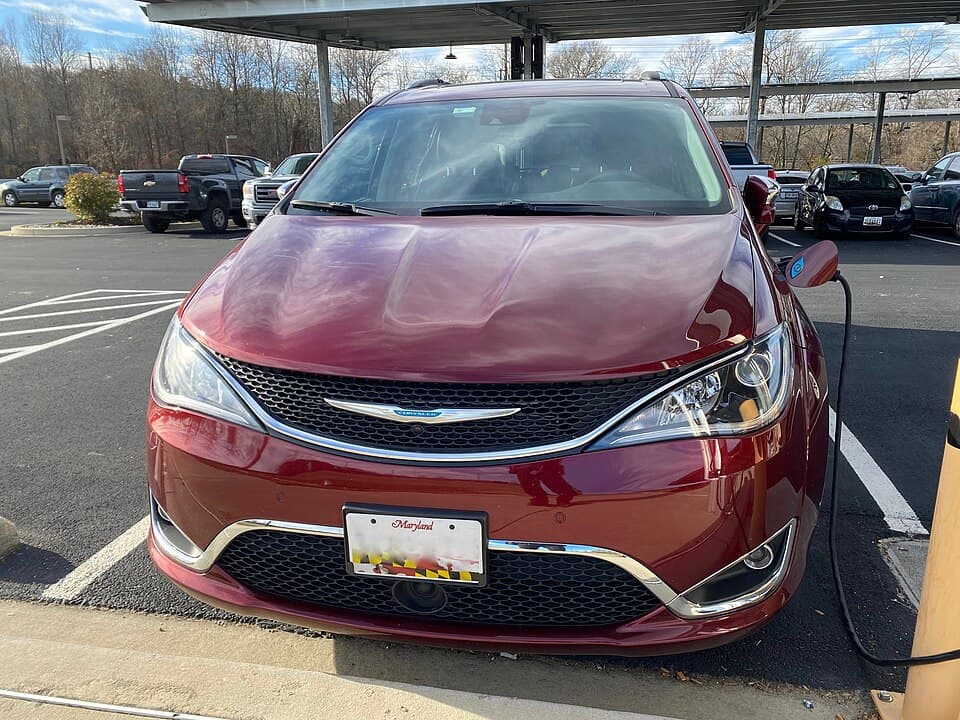 Chrysler Pacifica Hybrid
Chrysler
1 EV model family currently cataloged, with diagnostic coverage growing as new OEM and regulator evidence is verified.
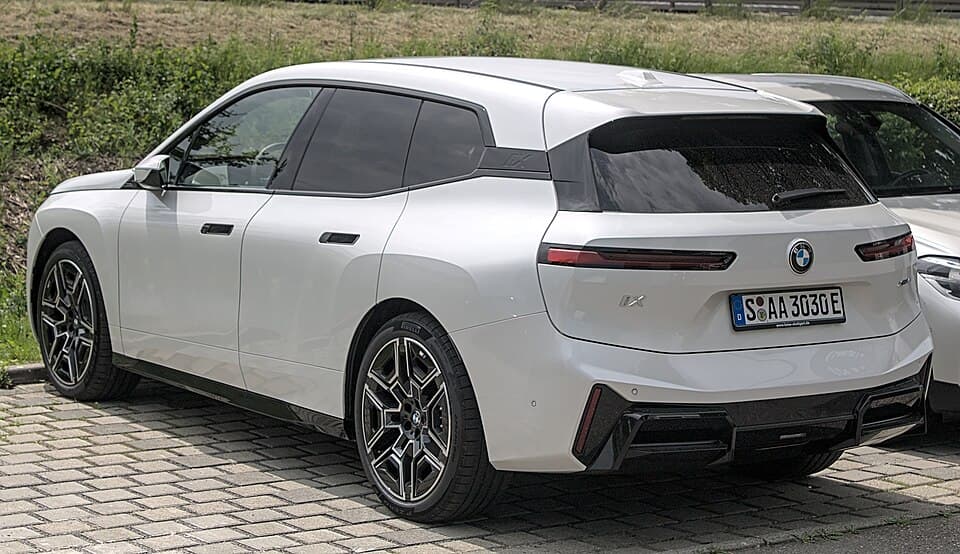 BMW iX
BMW
14 EV model families currently cataloged, with diagnostic coverage growing as new OEM and regulator evidence is verified.
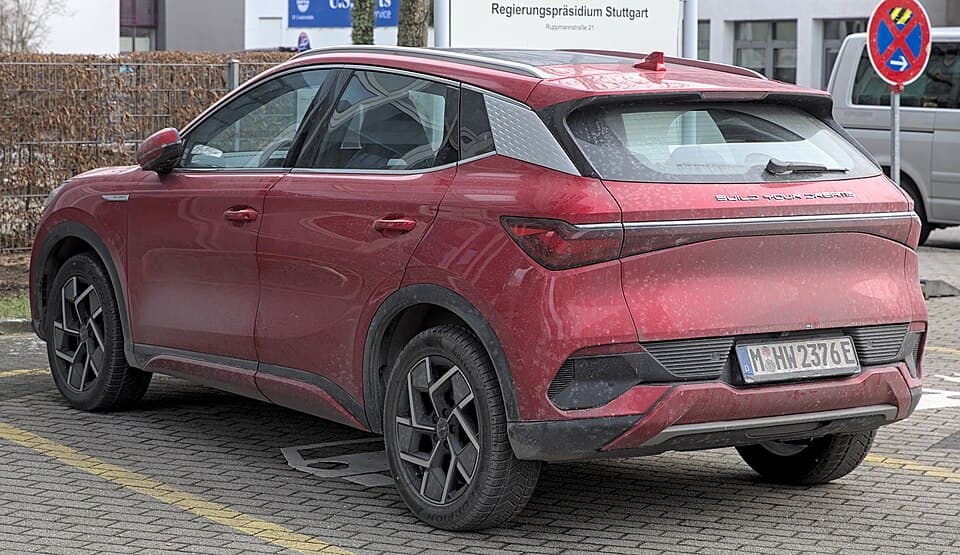 BYD ATTO 3
BYD
15 EV model families currently cataloged, with diagnostic coverage growing as new OEM and regulator evidence is verified.
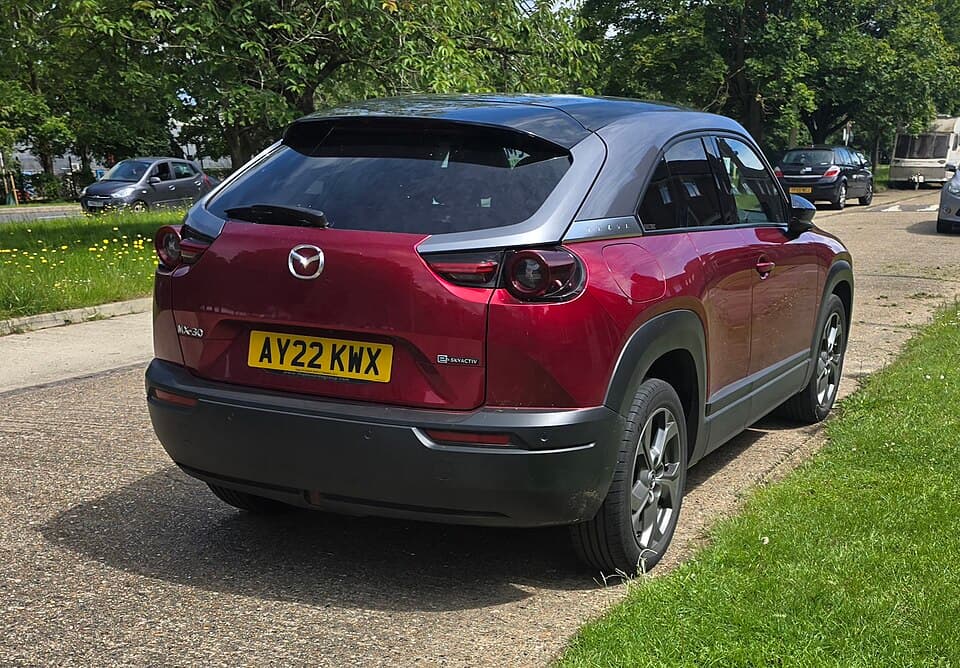 Mazda MX-30
Mazda
3 EV model families currently cataloged, with diagnostic coverage growing as new OEM and regulator evidence is verified.
Representative vehicle photography is used for visual identification. View image credits and licenses →
More than a list of fault codes
Find the exact code
Search is case-insensitive and understands common separator variations. OEM formats such as BMS_a066, BMS-a066 and BMS a066 can resolve to one canonical diagnostic page instead of creating duplicate pages.
See where it applies
Diagnostic pages show the manufacturer and model-family applicability supported by our evidence. We keep model applicability separate from generic code definitions so a code is not presented as vehicle-specific without support.
Understand the evidence
Each page distinguishes verified manufacturer or regulator evidence from accepted research and reference material. Unknown causes, repair steps, recalls or safety conclusions are not filled in merely to make a page look complete.
Prepare for service
Pages organize the verified information into clear sections covering meaning, affected system, seriousness, driving and charging considerations, safe actions, troubleshooting context, service checks, related bulletins and sources.
Three evidence levels
Reference entries provide useful code context from openly available technical datasets. Accepted research entries are curated findings that may still need stronger manufacturer-level evidence. Verified entries are tied to source evidence and applicability checks before they are treated as canonical diagnostic data.
This matters because the same-looking code can mean different things across systems, model years or manufacturers, and an internet discussion is not equivalent to an OEM service document.
How verification works →Sources remain visible
Diagnostic pages are server-rendered and designed to be readable by people and search systems. Canonical URLs, structured data, source labels and model relationships are kept visible rather than hiding the evidence behind a login or an opaque score.
When we do not have enough evidence for a cause, repair procedure, TSB relationship or recall, the page says so instead of inventing an answer.
See our data sources →Coverage expands as evidence becomes available
EV diagnostic information is fragmented across owner manuals, service bulletins, regulator records, repair documentation and manufacturer-specific alert systems. We continuously organize those sources into searchable manufacturer, model and diagnostic relationships while preserving source provenance.
The database includes conventional OBD/DTC identifiers as well as OEM-specific diagnostic codes and driver-facing warning messages when the source establishes that they are diagnostic in nature. New entries are not added simply to reach a numerical quota.
- Quick answer and technical explanation
- Affected system and seriousness
- Symptoms and evidence-backed possible causes
- Drive and charge guidance where established
- Safe next steps and service context
- Model applicability, TSBs and recalls
- Related codes and FAQs
- Verified sources and supporting videos